Evening Meals and Snack Patterns
February 2026
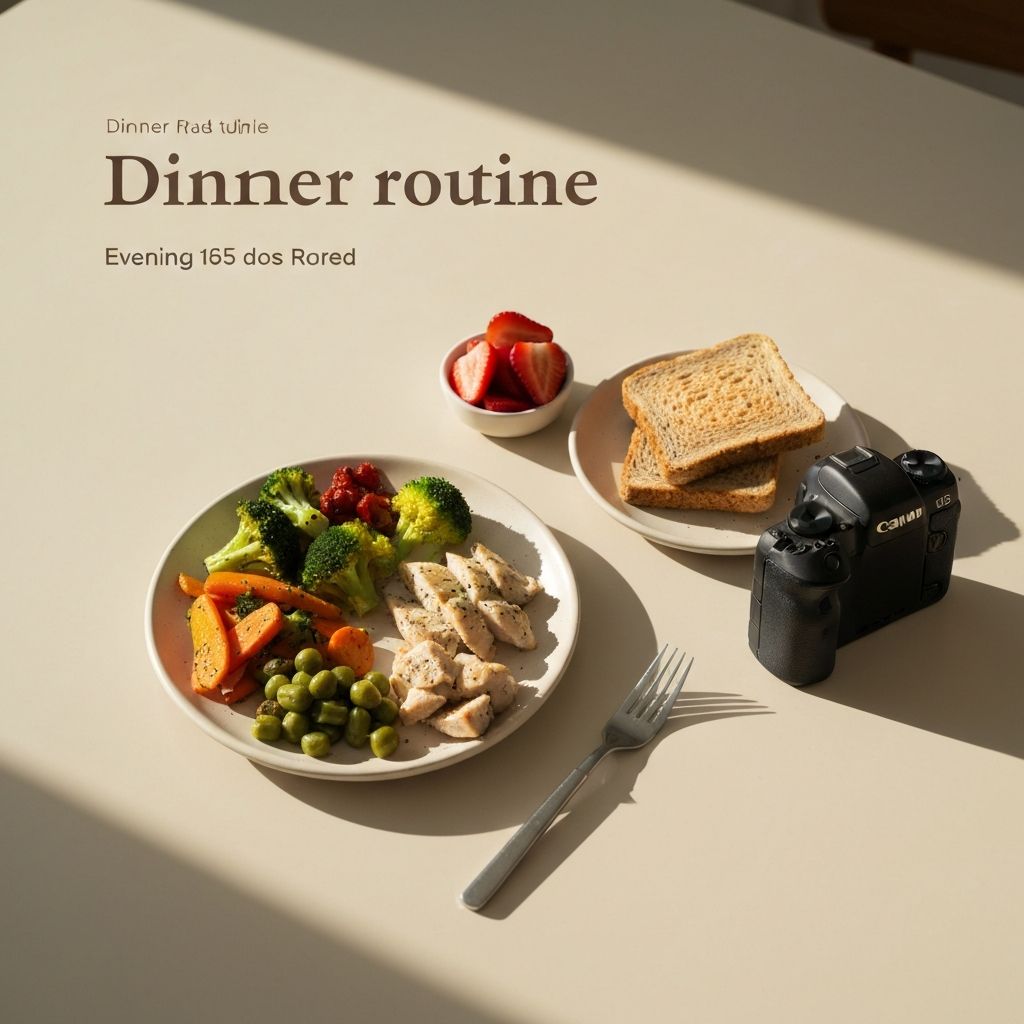
Understanding Evening Eating Occasions
Evening eating encompasses the final main meal of the day, commonly called dinner or supper, along with any additional food consumption during evening hours. This period represents the conclusion of daily eating patterns and has been examined in nutritional research for its role in overall dietary structure.
Evening eating occasions vary significantly in timing, composition, and social context across different cultures, lifestyles, and individual preferences. Understanding these patterns provides educational context for how individuals conclude their daily food intake.
Evening Meal Timing
The timing of the evening meal demonstrates considerable variation both within and across populations. Documented patterns include:
Early evening meals: Some individuals consume dinner during late afternoon or early evening hours, typically between 17:00-18:00.
Standard evening timing: Many people eat dinner during the 18:00-20:00 period, which represents a common pattern in various cultures.
Late evening meals: Others consume dinner later in the evening, between 20:00-22:00 or even later, which is traditional in some cultures.
These timing patterns are influenced by work schedules, cultural traditions, family routines, and personal preferences. The concept of an ideal dinner time is culturally constructed rather than biologically determined.
Cultural Perspectives on Evening Meals
Different cultures have developed distinct traditions regarding evening eating. In some societies, the evening meal represents the primary eating occasion of the day, often consumed as a family gathering. In others, evening meals may be lighter or more informal.
Cultural factors influencing evening meal patterns include:
- Traditional meal timing customs
- Work and school schedules
- Climate and seasonal variations
- Social and family gathering traditions
- Historical agricultural or work patterns
Understanding this cultural diversity helps contextualize evening eating as a practice shaped by multiple societal factors rather than following universal rules.
Evening Meal Composition
Nutritional studies document various compositional patterns for evening meals. Common food categories include:
Protein Foods
Evening meals frequently feature protein sources such as meat, poultry, fish, legumes, tofu, or other protein-containing foods. The type and amount of protein vary based on dietary patterns, cultural traditions, and personal preferences.
Vegetables
Many dinner patterns incorporate vegetables as side dishes, salads, or components of mixed dishes. Vegetable consumption at dinner contributes to daily intake of various nutrients and fiber.
Starches and Grains
Grain-based foods or starchy vegetables such as potatoes, rice, pasta, or bread commonly accompany evening meals. These foods provide carbohydrates and other nutrients to the meal composition.
Fats and Oils
Fats appear in evening meals through cooking methods, sauces, dressings, or naturally fatty foods. The types and amounts of fats vary across different dietary patterns and cuisines.
Complete Dishes
Some evening meal patterns feature dishes that combine multiple food groups in single preparations, such as stews, casseroles, or mixed plates, rather than serving foods separately.
Social Context of Evening Meals
The evening meal often carries particular social significance in many cultures. Research documents various social patterns:
Family meals: In many households, dinner represents a gathering time for family members to eat together.
Social dining: Evening meals may include friends or extended family, particularly on certain days or occasions.
Individual consumption: Others eat dinner alone based on schedules, living situations, or personal preferences.
The social dimension of evening eating influences not only what is eaten but also the duration, setting, and overall experience of the meal.
Evening Meal Preparation
Evening meals vary in preparation complexity and time investment. Observed patterns include:
Home preparation: Many people prepare dinner at home using raw or semi-prepared ingredients, which requires time and cooking skills.
Simplified preparation: Others use convenience items, prepared components, or simple cooking methods to reduce preparation time.
Purchased meals: Some individuals obtain evening meals from restaurants, take-away services, or delivery options.
Preparation patterns are influenced by time availability, cooking skills and interest, resources, and household circumstances.
Understanding Snack Patterns
Beyond main meals, many eating patterns include snacks consumed during various times of day, including evening hours. Snacking refers to smaller eating occasions between or after main meals.
Snack Timing
Snacks may occur at various points throughout the day:
Mid-morning snacks: Consumed between breakfast and lunch
Afternoon snacks: Eaten between lunch and dinner
Evening snacks: Consumed after dinner before sleep
The frequency and timing of snacks vary widely among individuals based on meal patterns, hunger signals, and daily activities.
Snack Composition
Snack foods vary considerably in type and nutritional composition. Common categories documented in dietary research include:
- Fruits or vegetables
- Nuts or seeds
- Dairy products
- Grain-based snacks
- Various packaged snack foods
Individual snack choices reflect food preferences, availability, convenience, and hunger levels.
Evening Snacking Patterns
Snacking during evening hours after the main dinner meal is a common practice observed in many populations. Evening snacks may serve various functions such as addressing hunger between dinner and bedtime, providing social eating occasions, or serving as leisure-time eating.
The inclusion or exclusion of evening snacks in eating patterns varies among individuals and is influenced by dinner timing and size, personal habits, hunger patterns, and cultural practices.
Portion Considerations
The relative size of evening meals within daily eating patterns shows significant variation. Some dietary traditions emphasize larger evening meals, while others favor lighter dinners. Factors influencing dinner portion sizes include:
- Earlier food intake during the day
- Cultural norms about meal distribution
- Work or activity schedules
- Number of people sharing the meal
- Individual appetite and preferences
- Time available for eating
Weekend and Weekday Patterns
Research indicates that evening eating patterns often differ between weekdays and weekends or days off. Weekend evenings may involve:
- Different timing of meals due to varied schedules
- More elaborate meal preparation with additional time available
- Increased social dining occasions
- Dining out or ordering food more frequently
- Relaxed meal timing and duration
This day-to-day variation within individual eating patterns illustrates the flexibility and context-dependence of dietary behaviors.
Individual Variability
As with all eating patterns, evening meal and snack behaviors demonstrate substantial individual variation influenced by:
- Work and personal schedules
- Living situations and household composition
- Cultural background and family traditions
- Cooking skills and interest in food preparation
- Earlier food intake during the day
- Personal preferences and appetite patterns
- Available time and resources
This variability emphasizes that evening eating patterns are highly personal and contextual.
Educational Context and Limitations
This article presents information about evening meal and snacking patterns for educational purposes only. The content describes observations from nutritional research and dietary studies and does not constitute recommendations for individual dinner choices, timing, or snacking behaviors.
Individual evening eating needs vary based on numerous factors including overall dietary patterns, health status, lifestyle, and personal circumstances. This information cannot replace personalized guidance from registered dietitians, nutritionists, or healthcare providers.
Readers considering changes to their eating patterns should consult qualified healthcare professionals for advice appropriate to their individual situations.
Conclusion
Evening eating patterns, including both main meals and snacks, represent complex behaviors influenced by cultural traditions, social contexts, individual preferences, and practical circumstances. Understanding these patterns educationally helps recognize the diversity of approaches to concluding daily food intake and the many factors that shape evening eating behaviors.
The wide variation in evening meal timing, composition, and snacking practices across cultures and individuals illustrates that there is no single correct approach. These are personal decisions that should be made within each individual's context and with professional guidance when appropriate.